
BUYER'S GUIDES
What to Look for When Buying a Used Fender Stratocaster
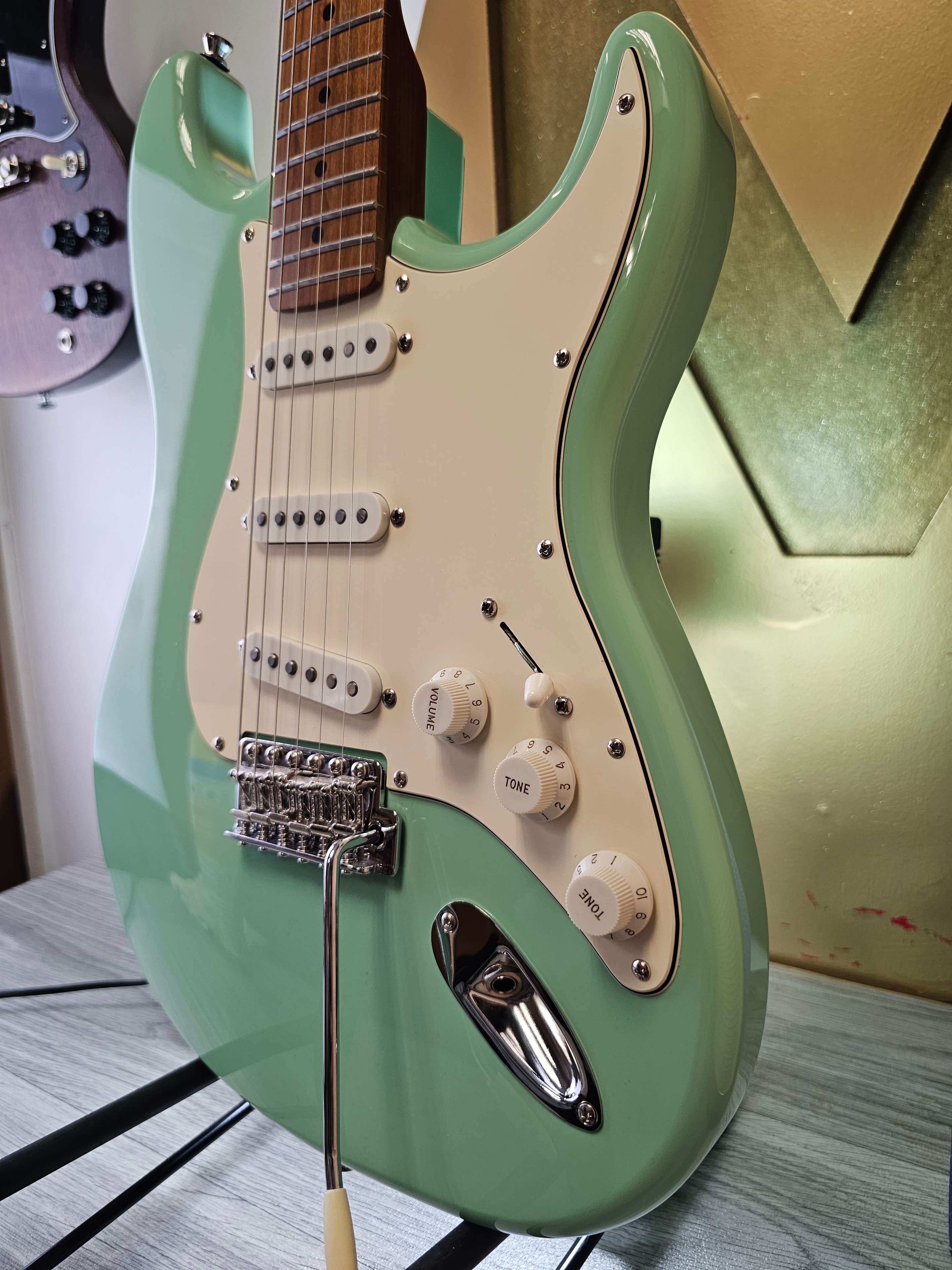
The Fender Stratocaster has been in continuous production since 1954. That's over 70 years of variants, sub-brands, factory locations, and price points — which makes the used market both incredibly rich and occasionally confusing. Whether you're after a budget Squier, a mid-range Player Series, or a vintage American original, here's what to check before you hand over your money.
Know What You're Actually Buying
Fender makes Stratocasters at several price points under different names:
- Squier — entry-level, made in China or Indonesia. Great value, but not a "Fender" in the traditional sense. - Fender Player / Player Plus — made in Mexico. Excellent quality for the money, the sweet spot for most players. - Fender American Professional / American Ultra — made in the USA. Noticeably better hardware, pickups, and finish quality. - Fender Custom Shop — hand-built in Corona, California. Collector territory.
On a used guitar, always check the headstock decal carefully. A genuine USA-made Strat will say "Made in USA" on the back of the headstock. Mexican models say "Made in Mexico" or "Crafted in Mexico" depending on the era.
Check the Serial Number
Every Fender has a serial number — on the neckplate (older models) or the headstock. You can cross-reference it on Fender's website or the Guitar Dater Project to confirm the year and factory. This is the quickest way to verify a seller's claims about the guitar's age and origin.
Be suspicious of any seller who can't tell you where the serial number is, or whose story doesn't match what the number says.
Neck and Fretboard
The neck is the most important part of any guitar. Run your thumb along the back — it should feel smooth and comfortable, with no sharp fret ends poking out at the edges. Sharp frets usually mean the wood has dried out and shrunk, which is common on guitars that have been stored in dry conditions. It's fixable, but factor in the cost of a fret dress.
Check the neck relief (the slight forward bow) by holding the guitar up and sighting down the neck from the headstock end. A small amount of relief is normal and correct. A severe back-bow or a dramatic S-curve are red flags.
Fender Strats come with maple or rosewood/pau ferro fretboards. Both are fine — it's personal preference. Just make sure there are no cracks in the fretboard, especially around the nut.
The Body
Strat bodies are typically alder (most common), ash (often used on blonde finishes), or occasionally basswood on budget models. Tap the body — it should sound solid, not hollow or dead.
Look carefully at the finish under good light. Checking for cracks, chips, and buckle rash is normal on a used guitar. What you're really looking for is evidence of a repaint or a refinish, which significantly reduces the value of a vintage instrument. A factory finish will have an even sheen; a respray often shows orange peel texture, uneven colour, or overspray around the pickup routes.
Electrics and Hardware
Plug the guitar in and test every pickup position. The five-way switch should click cleanly between positions with no crackling. Rotate the volume and tone pots — any scratchy noise means the pots need cleaning or replacing (cheap and easy fix, but worth noting).
Check the tremolo system. On a vintage-style floating trem, the bridge should sit parallel to the body when the guitar is in tune. If it's tilted forward or back, the spring tension needs adjusting — again, easy to fix, but it tells you the guitar hasn't been set up recently.
What to Pay
As a rough guide for the UK used market in 2026:
- Squier Classic Vibe Stratocaster: £200–£350 - Fender Player Stratocaster (Mexico): £400–£600 - Fender American Professional II: £900–£1,300 - Vintage 1970s Fender Stratocaster: £2,500–£6,000+ depending on condition and originality
Prices vary significantly based on condition, originality, and whether the guitar has been modified. A Strat with replaced pickups or a non-original neck is worth less than a completely original example — but it might also play and sound better. Decide what matters to you.
Come and Try Before You Buy
If you're in Norfolk or the surrounding area, we regularly have Stratocasters and Strat-style guitars in stock at Marshland Guitars. Come in, plug in, and take your time — there's no pressure and no hard sell. We'd rather you leave with the right guitar than the wrong one.
Browse our current stock on Reverb or give us a call on 01366 384362.